I started with
buildings. I stayed
with people.
From architecture to digital to AI. The medium keeps changing. The person at the centre never does.
20 years designing environments where it matters. 19 healthcare facilities. €80M masterplans. Now applied to UX, systems, and the next generation of human experience.
Based in Stockholm · Open to senior UX and design roles across the EU
complex environments
healthcare facilities
directed
EU Citizen · Stockholm
Selected Work
Three mediums.
One continuous inquiry.
Where the thinking started. Hospitals, urban masterplans, infrastructure. Environments where design decisions have real consequences for real people. The origin of systems thinking as a design method.
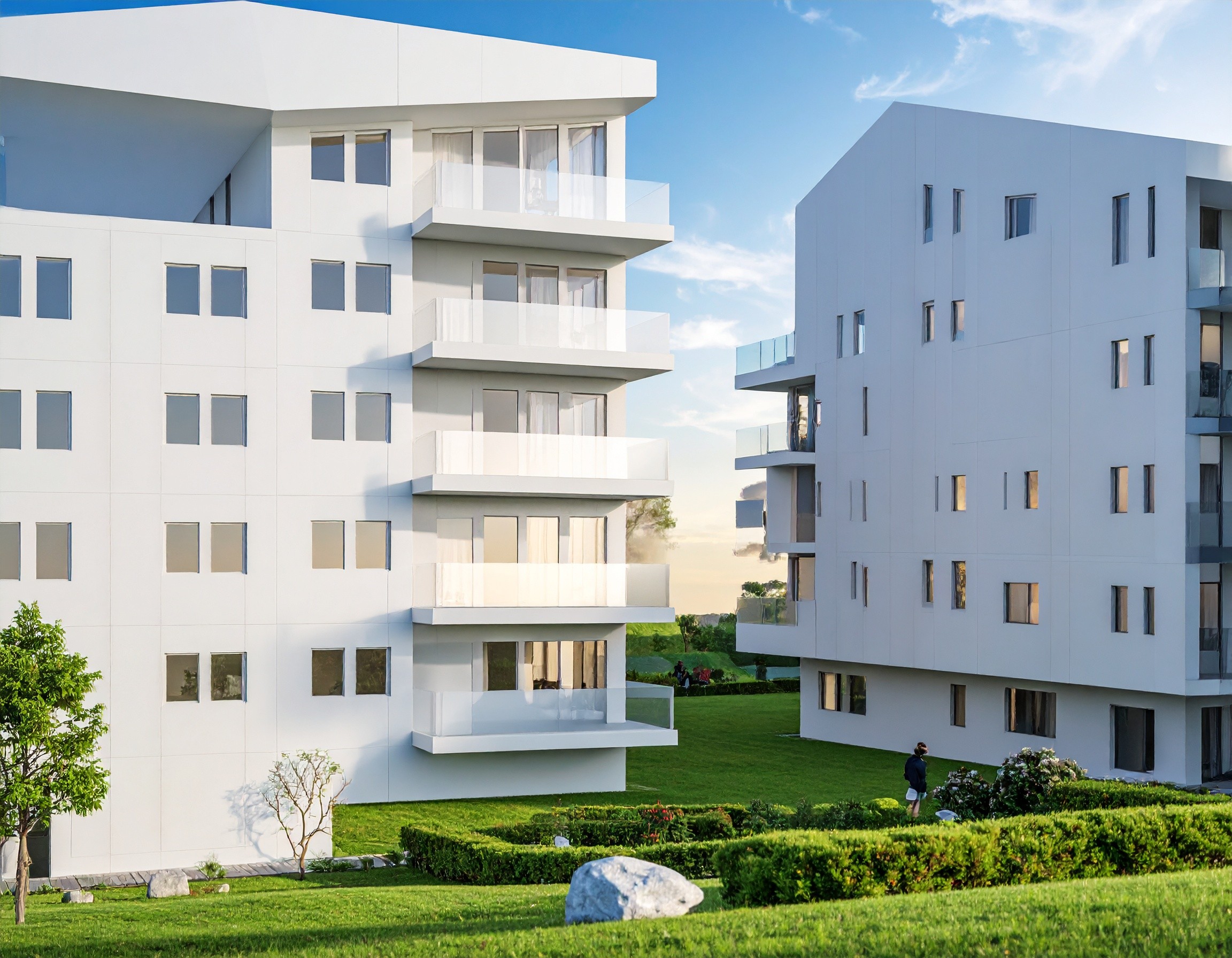
Built Environments
Twenty years designing the spaces people move through when it matters most. Hospitals built to USACE standards. Masterplans at €80M scale. Infrastructure shaping how communities grow. The foundation behind everything that followed.
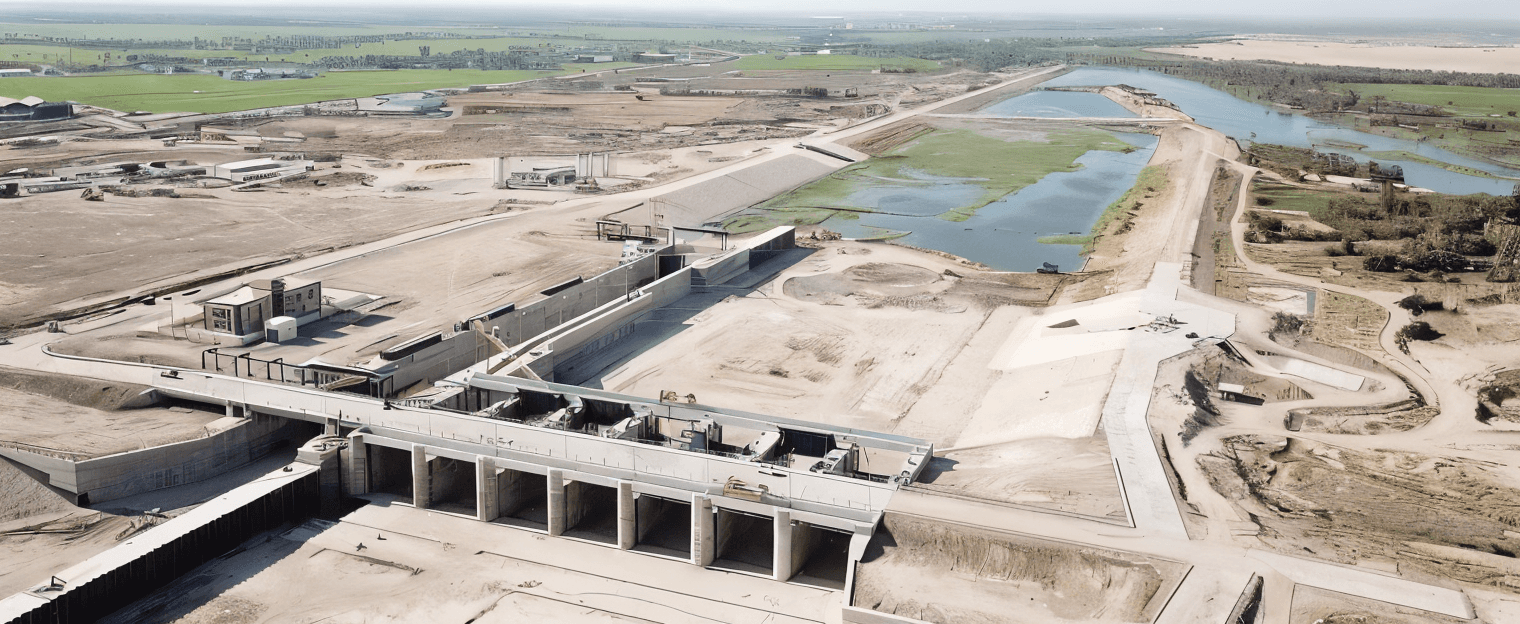
Abu Skhair Dam
Lead drafter on an $80M irrigation dam serving 90,000+ hectares. Where precision isn't a preference — it is the requirement.
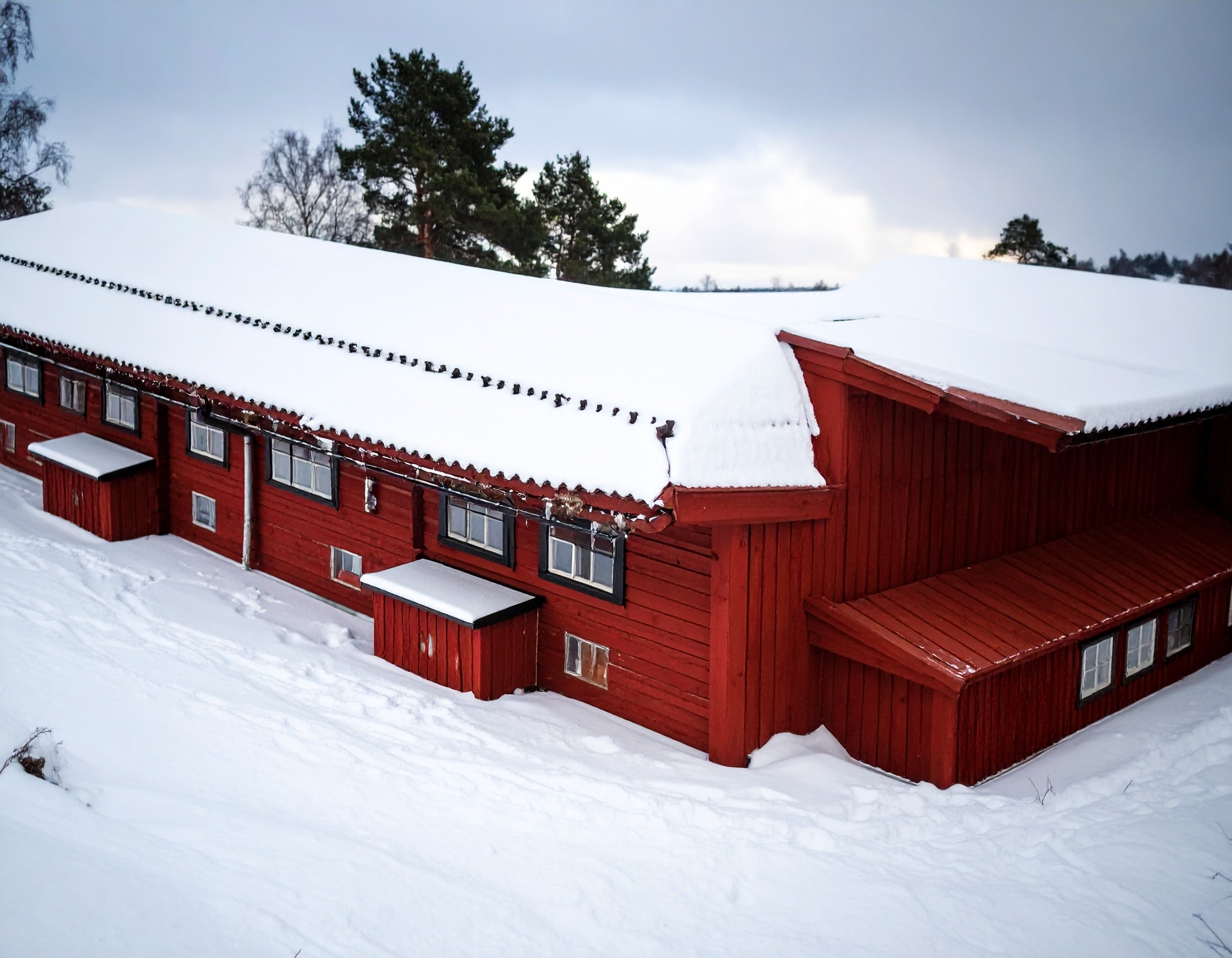
Tallidskolan
A school designed around children with special needs. Designing for the most constrained user doesn't limit what you can make. It clarifies what you should.
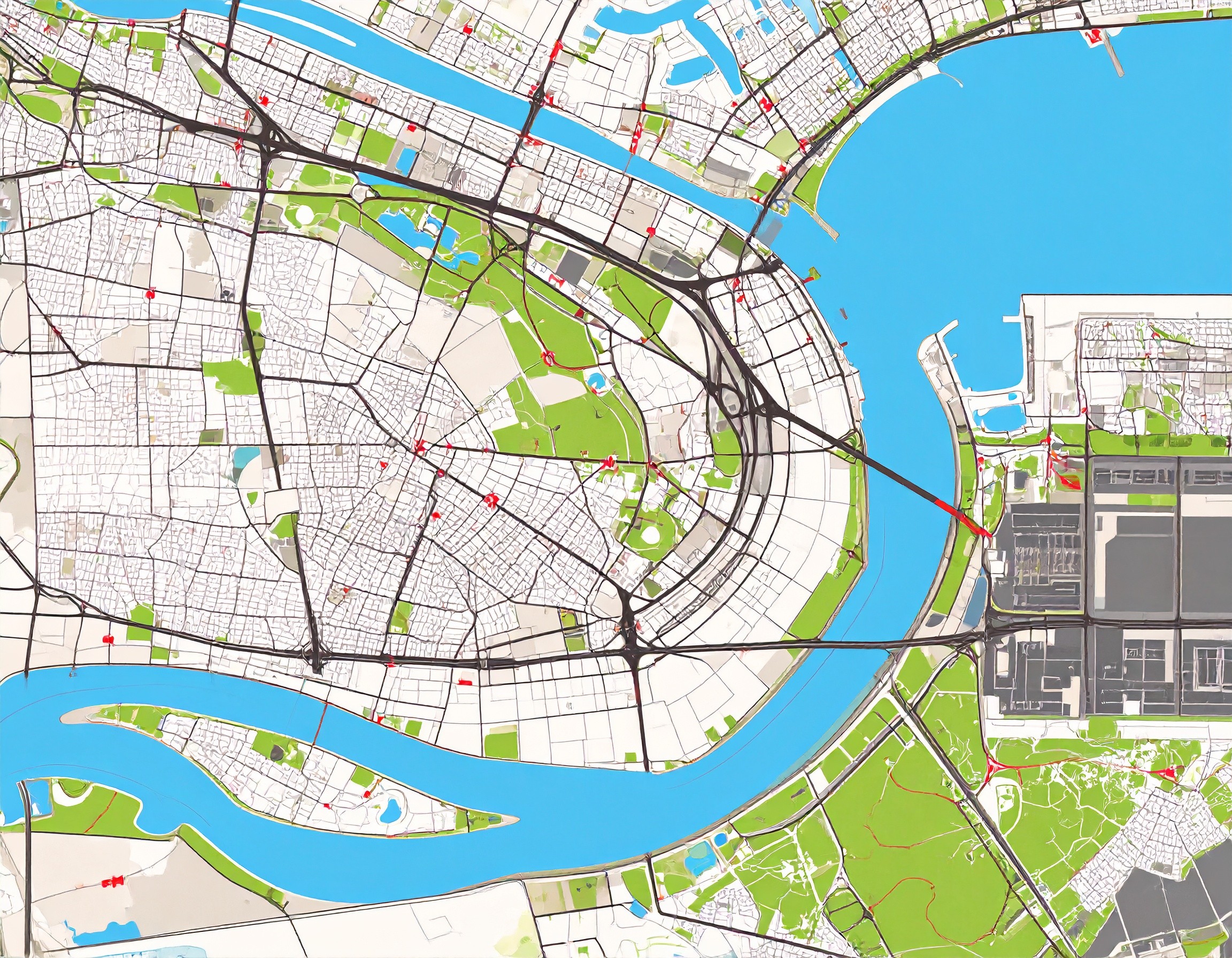
Urban Masterplan
Planning at city scale for growth to 2035. Bilingual coordination across English and Arabic teams. Design at the scale where decisions shape how entire communities live.
The same question applied to a different medium. Spatial flow became navigation architecture. Wayfinding became information hierarchy. The person inside the system stayed at the centre.
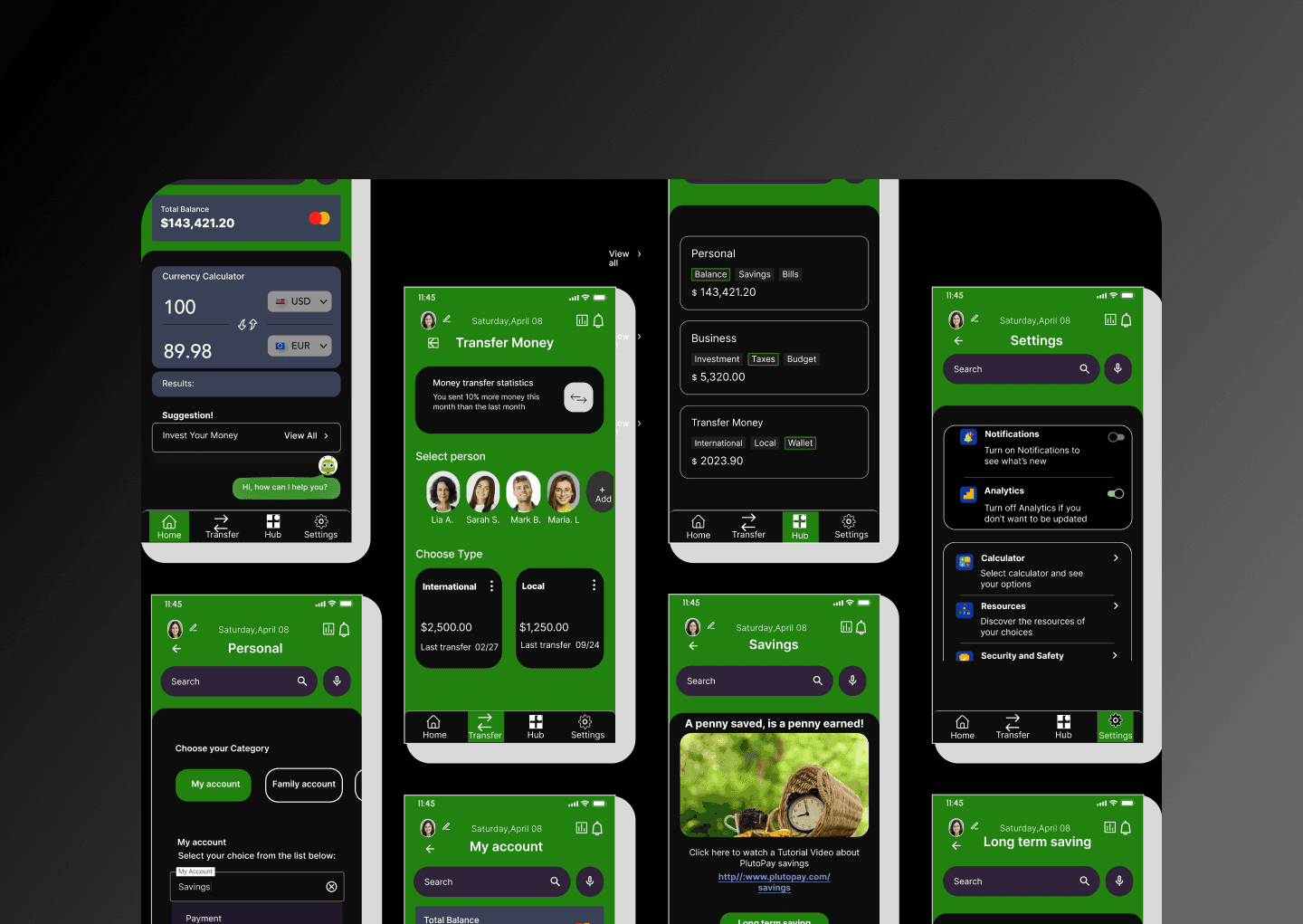
PlutoPay
Financial products demand the same precision thinking as designing hospitals. The challenge: make complex data feel simple without hiding what people need to know.
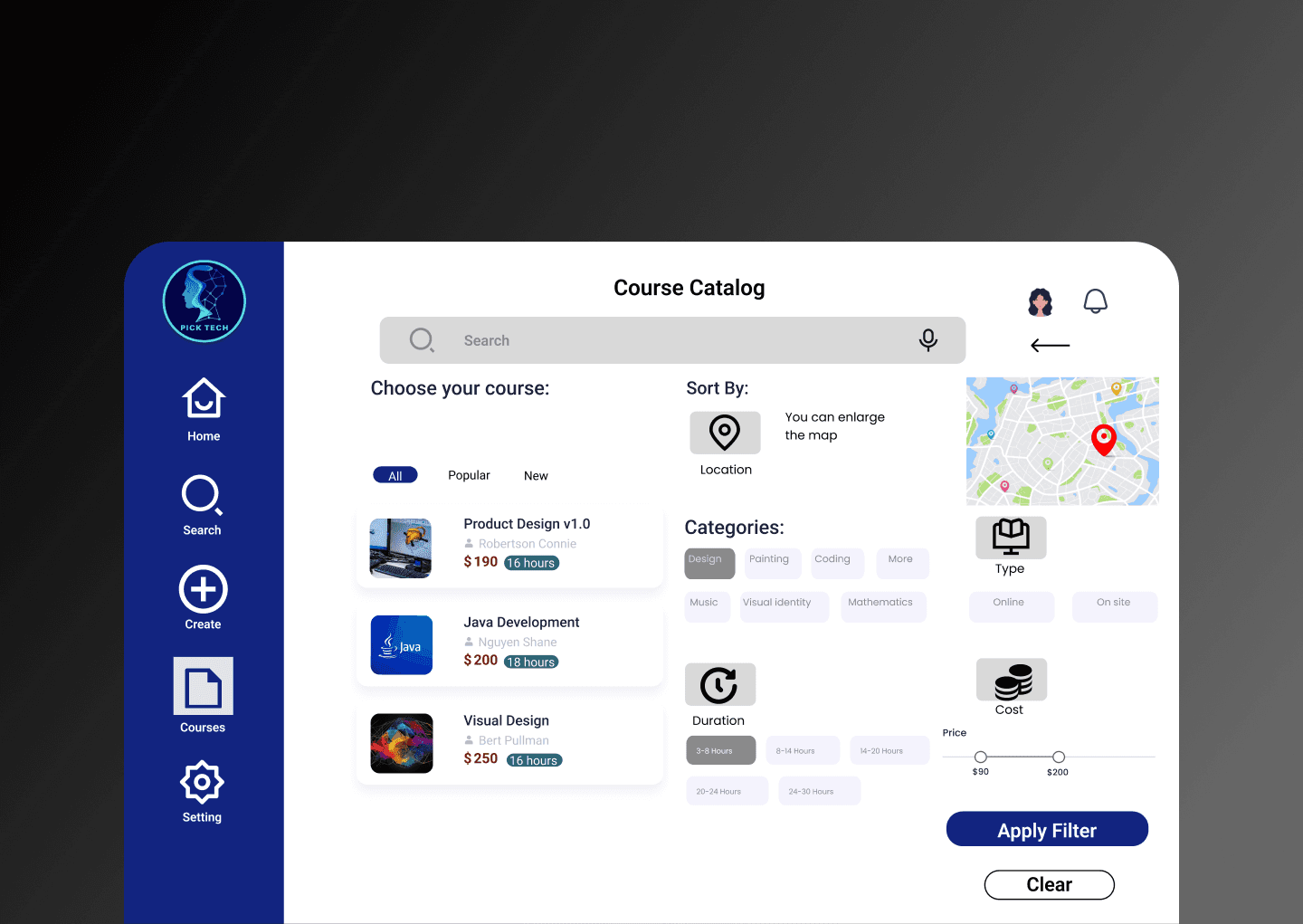
Mental Health Platform
Designing for vulnerable users requires a different kind of research. What you show, when you show it, and how you ask for information all carry weight.

Accessibility Audit & Redesign
Accessibility isn't a checklist. It's designing for the real distribution of human users, not the assumed average.
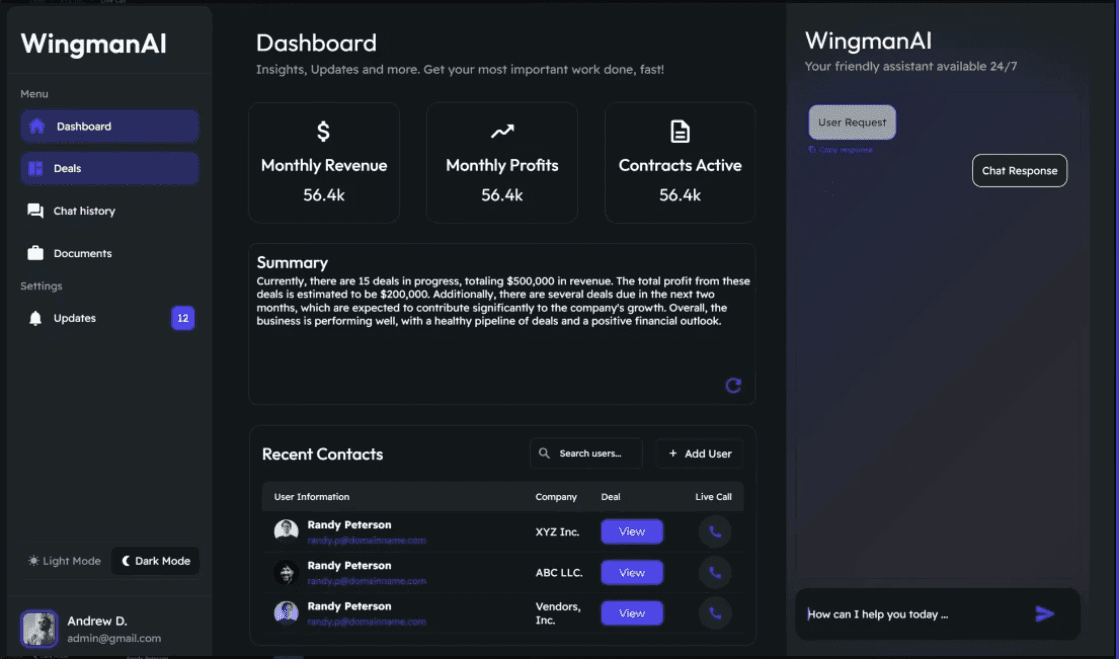
SaaS MVP Research
Research isn't decoration. Evidence based validation that changed what the product team believed about their own users.
The next question. As AI becomes the environment people inhabit, not just a tool but a space, the same principles apply: who is inside this, and what do they need to feel right?
Intelligent Environments
Buildings made people feel safe or disoriented. Apps make people feel capable or lost. AI will do the same, at a different scale. I am applying the same principles to intelligent systems: who is inside this, and what do they need to feel right?
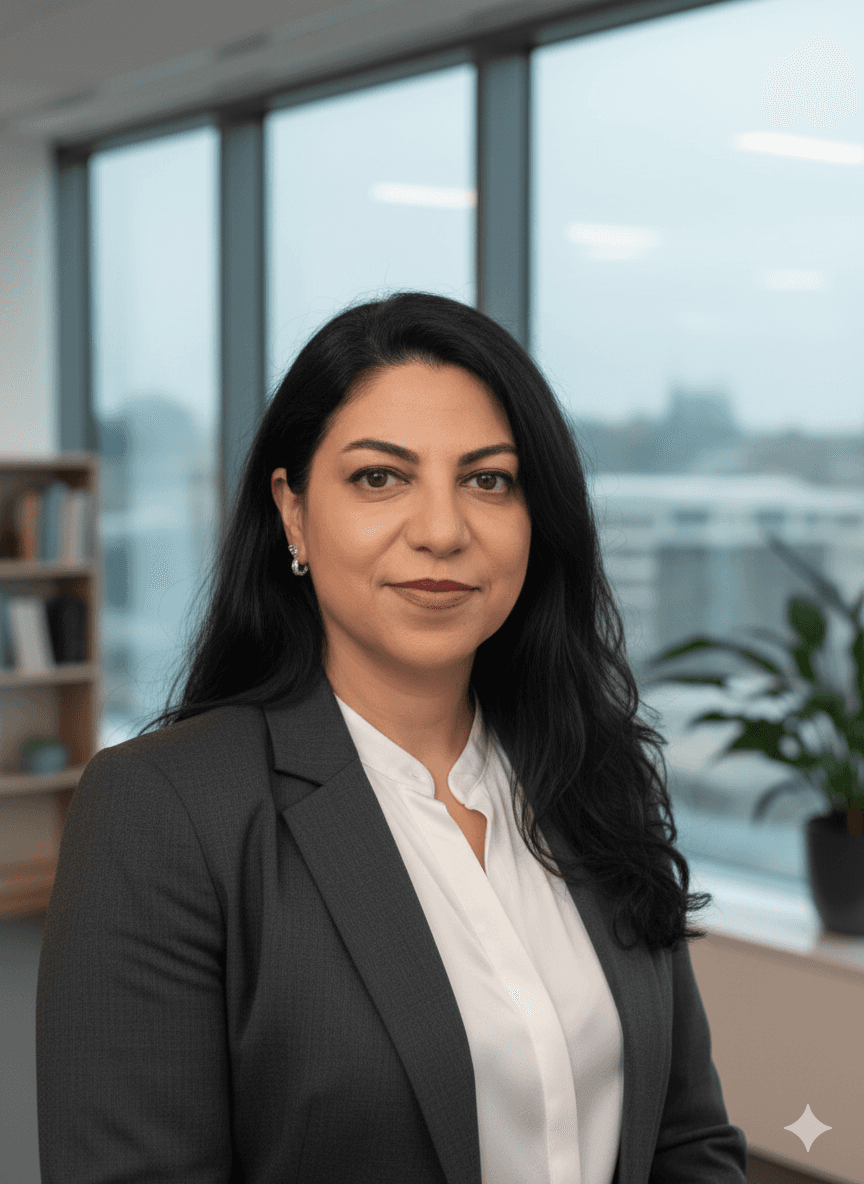
Rana Naser · Stockholm, Sweden
About
Architecture first.
Always.
I didn't come to UX from a design school. I came from a construction site.
For twenty years I designed physical environments where the stakes were real. Nineteen healthcare facilities built to USACE standards. Urban masterplans at €80M scale. Work where a design error doesn't get corrected in the next sprint. It gets built.
Every project started the same way: a hand sketch on paper. Then budget planning and material selection, then deep research into how people would actually use the space. I didn't sit at a desk and hand off drawings. I stayed. During construction, during handover, during the first weeks of operation, watching whether the decisions we made in the design room translated into real life. On one school project I spent time embedded as a teacher, observing how students and staff moved through the building day to day, to make sure the finished environment genuinely worked for the people who would live inside it. That feedback loop shaped how I think about everything.
At some point I realised people's experiences were not only happening in buildings. They were happening on screens, through interactions, within systems that shape everyday life. That curiosity led me into UX and UI. Same thinking. Different medium.
Now I am exploring AI. Not as a trend, but as the next environment people will live inside. For me, it has always been the same question: who is this for, and what do they need to feel right?
Core expertise
How I Work
Design is thinking
made visible.
Research first
I start with the people, not the screens. Every decision is grounded in what users actually do. Not what they say, and not what the brief assumes.
Systems thinking
Twenty years designing complex environments trained me to see the whole system before any single component. Navigation, hierarchy, and flow are never afterthoughts.
Accessibility as design
WCAG isn't a checklist. Inclusive design makes products better for everyone. I bring specialist level knowledge that most teams don't have on staff.